
laminated translucent glass
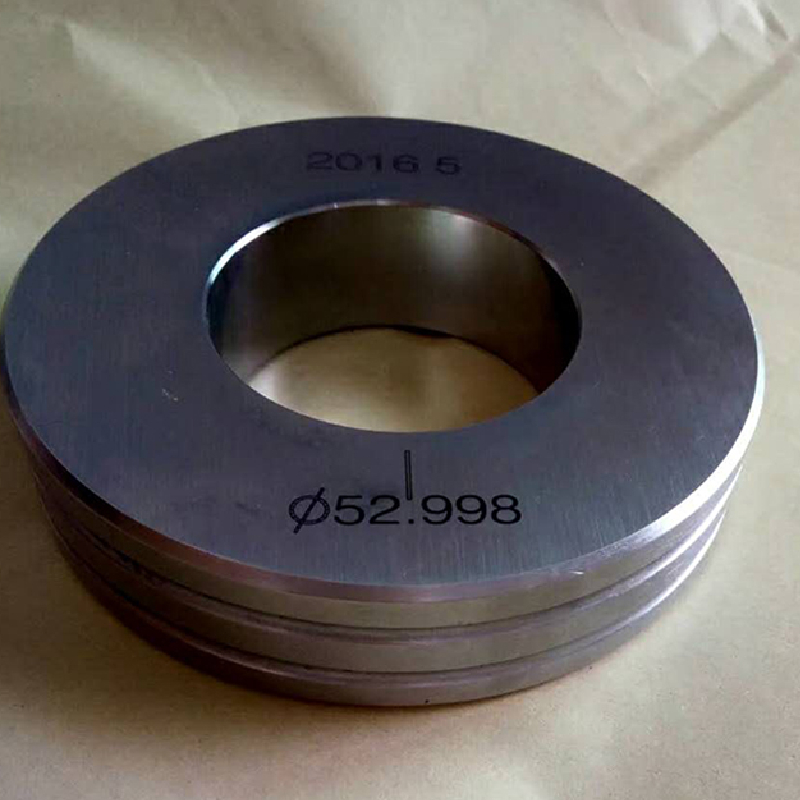
Understanding Standard Plug Gauges An Essential Tool in Precision Engineering In the world of manufacturing and engineering, precision is of utmost importance. Whether it’s in automotive production, aerospace engineering, or any form of mechanical assembly, ensuring that components fit together perfectly is vital for the safety, functionality, and quality of the final product. One of the key tools used to achieve this level of precision is the standard plug gauge. What is a Standard Plug Gauge? A standard plug gauge is a cylindrical tool used to measure the diameter of holes or the internal dimensions of parts. It serves two primary purposes to check whether a hole is within a specified size tolerance (go) or if it is out of specification (no-go). The gauge typically features two ends—one marked “go” and the other marked “no-go.” When the “go” end of the plug gauge fits snugly into the hole, it indicates that the dimension is acceptable. If the “no-go” end does not fit into the hole, it further confirms that the dimension is within the specified tolerance limits. This simplicity and effectiveness make standard plug gauges indispensable in quality control processes. Construction and Materials Standard plug gauges are usually constructed from high-quality steel, which offers durability and resistance to wear. They are often heat-treated to enhance their hardness, ensuring that they retain their shape and accuracy even after repeated use. The finishing process typically involves grinding and polishing to achieve precise dimensions and a smooth surface, which is important for reliable measurement. In some specialized applications, plug gauges may be made from different materials such as carbide or even ceramic, especially when extreme durability or heat resistance is required. These materials allow for greater longevity and maintain accuracy over a longer period, which is a critical factor in industries that demand high precision. standard plug gauge Applications of Standard Plug Gauges Standard plug gauges are widely utilized across various industries. In the automotive sector, they are used to ensure that engine components fit together correctly, which is essential for optimal performance and safety. Similarly, in the aerospace industry, plug gauges help maintain stringent tolerances required for aircraft parts, where even minute discrepancies can lead to catastrophic failures. Moreover, plug gauges are used in assembly lines to streamline the production process. By incorporating these gauges into the quality assurance phase, companies can detect defects early, reducing waste and rework costs. Additionally, plug gauges are invaluable in tool and die making, where precision is critical for the creation of molds and parts. Calibration and Standards The accuracy of standard plug gauges is paramount to their effectiveness. Regular calibration is essential to ensure that they maintain their specified dimensions and tolerances. Calibrating plug gauges typically involves comparing them against a master gauge with known dimensions. This process helps identify any discrepancies that need adjustment. Moreover, standard plug gauges must adhere to internationally recognized standards, such as those set forth by the American National Standards Institute (ANSI) and the International Organization for Standardization (ISO). Compliance with these standards not only ensures consistency in measurement but also fosters trust among manufacturers and customers alike. Conclusion In conclusion, standard plug gauges play a crucial role in precision engineering and quality control across various industries. Their simple design, combined with their effectiveness in measuring internal dimensions, makes them an invaluable tool for ensuring that components meet rigorous specifications. As technology continues to advance, the importance of precise measurements will only increase, solidifying the position of standard plug gauges as essential instruments in the manufacturing world. Ensuring their proper use and maintenance is vital for any enterprise aiming for excellence in production and assembly processes.
about
laminated translucent glass
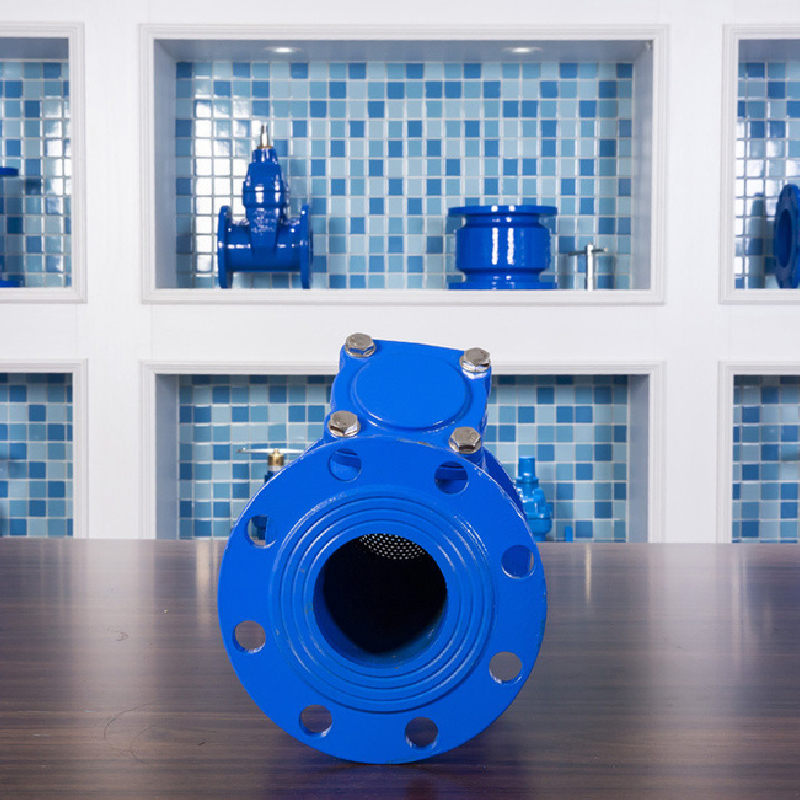
The slow-closing check valve represents a significant advancement in hydraulic system technology, offering unparalleled performance in controlling fluid flow and mitigating pressure surges. Developed by Storaen (Cangzhou) International Trading Co. , this innovative valve is designed to address the challenges of traditional check valves while delivering enhanced reliability and operational efficiency. This article explores the product's features, technical specifications, applications, and the company's commitment to quality, supported by authoritative insights from the National Institute of Standards and Technology (NIST). Key Features and Advantages The 300X slow-closing muffler check valve is engineered with a novel structure that optimizes its performance in demanding hydraulic environments. Its primary advantages include: Excellent Sealing Performance: The valve's design ensures a tight seal, minimizing leakage and enhancing system efficiency. Low Resistance: By reducing flow resistance, the valve maintains a high flow capacity, which is critical for maintaining system pressure and preventing energy loss. Adjustable Operation: Users can fine-tune the valve's closing speed to match specific site conditions, ensuring optimal performance in diverse applications. Water Hammer Mitigation: The valve's slow-closing mechanism effectively reduces the impact of water hammer, a common issue in hydraulic systems that can cause significant damage. Extended Service Life: Constructed with durable materials and a robust design, the valve is built to withstand harsh operating conditions, reducing maintenance requirements. These features make the slow-closing check valve an ideal solution for industries where precise flow control and system longevity are paramount. Technical Specifications Parameter Specification Model Number 300X Flow Capacity Varies based on application (consult technical manual for details) Pressure Rating Up to 1000 psi (dependent on system design) Material Construction Stainless steel and corrosion-resistant alloys Operating Temperature Range -20°C to 150°C Adjustable Closing Speed Customizable via integrated control mechanism Sealing Type Double-seat design for enhanced reliability Compliance Standards ISO 5752, ASME B16.34 The 300X slow-closing check valve adheres to international standards, ensuring compatibility and safety in a wide range of applications. Its hydraulic check valve types are designed to meet the rigorous demands of modern industrial systems. Applications in Industrial and Commercial Settings The versatility of the slow-closing check valve makes it suitable for various industries, including: Water Treatment: Prevents backflow and protects pumps from pressure surges in municipal and industrial water systems. Oil and Gas: Ensures safe and efficient flow control in pipelines, reducing the risk of equipment damage and downtime. Power Generation: Maintains stable pressure in cooling and lubrication systems, enhancing overall plant efficiency. Manufacturing: Supports precision machinery by regulating fluid flow and preventing system failures. HVAC Systems: Improves energy efficiency by managing water flow in heating and cooling applications. According to NIST's research on hydraulic system optimization , the integration of advanced valves like the slow-closing check valve can significantly reduce energy consumption and maintenance costs. This aligns with the growing emphasis on sustainable industrial practices. Company Background: Storaen (Cangzhou) International Trading Co. As a leading supplier of hydraulic components, Storaen (Cangzhou) International Trading Co. has established itself as a trusted name in the industry. With a focus on innovation and quality, the company has consistently delivered solutions that meet the evolving needs of its clients. Their commitment to excellence is reflected in the design and performance of the 300X slow-closing muffler check valve . Storaen's expertise in check valve types and applications is supported by a team of experienced engineers and a rigorous quality control process. The company's products are designed to comply with global standards, ensuring reliability and performance in diverse environments. Conclusion The slow-closing check valve exemplifies the fusion of advanced engineering and practical design, offering a reliable solution for modern hydraulic systems. With its ability to mitigate pressure surges, enhance flow efficiency, and reduce maintenance costs, this valve is a valuable asset to industries that prioritize performance and safety. As highlighted by NIST's research on hydraulic system optimization , the adoption of such technologies is crucial for achieving sustainable and efficient operations. References National Institute of Standards and Technology (NIST) - Research on hydraulic system optimization and industrial standards. Disclaimer: This article is for informational purposes only and does not constitute an endorsement of the products or services mentioned. For detailed specifications and technical support, please visit the official Storaen (Cangzhou) International Trading Co. website.
-

High quality industrial productsagement

High quality industrial products
View Details -

Meet the diverse needs of customers

Meet the diverse needs of customers
View Details -

Strict quality control

Strict quality control
View Details -

Top raw materials

Top raw materials
View Details -

Trusted supplier

Trusted supplier
View Details
Our application
news and information

Vent cap made of plastic resembling a mushroom design for ventilation systems.
Plastic Mushroom Vent Cap An Overview Plastic mushroom vent caps are an essential component of vari
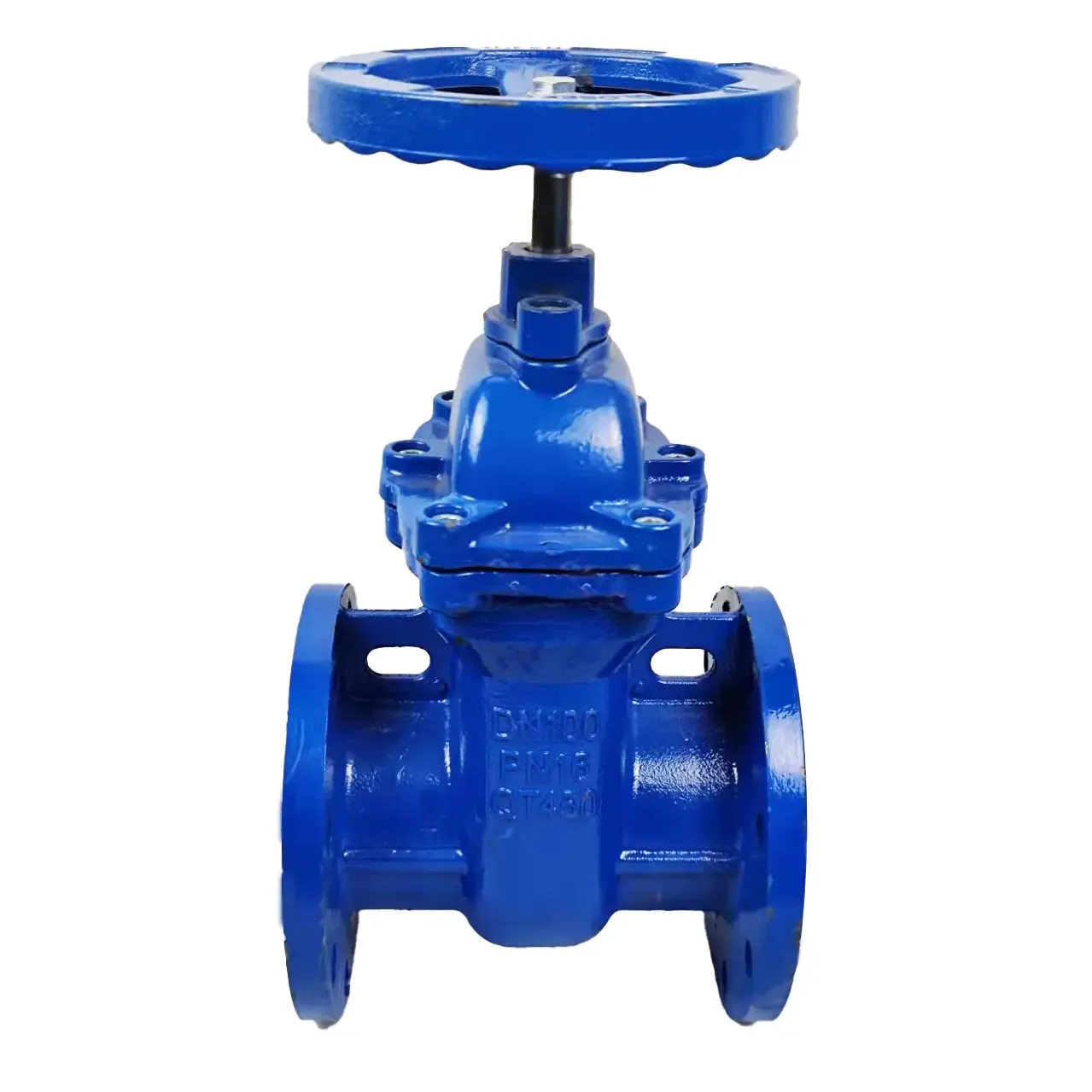
What is a Gate Valve Used For_
A gate valve is a crucial component in many industrial systems, designed to control the flow of liqu
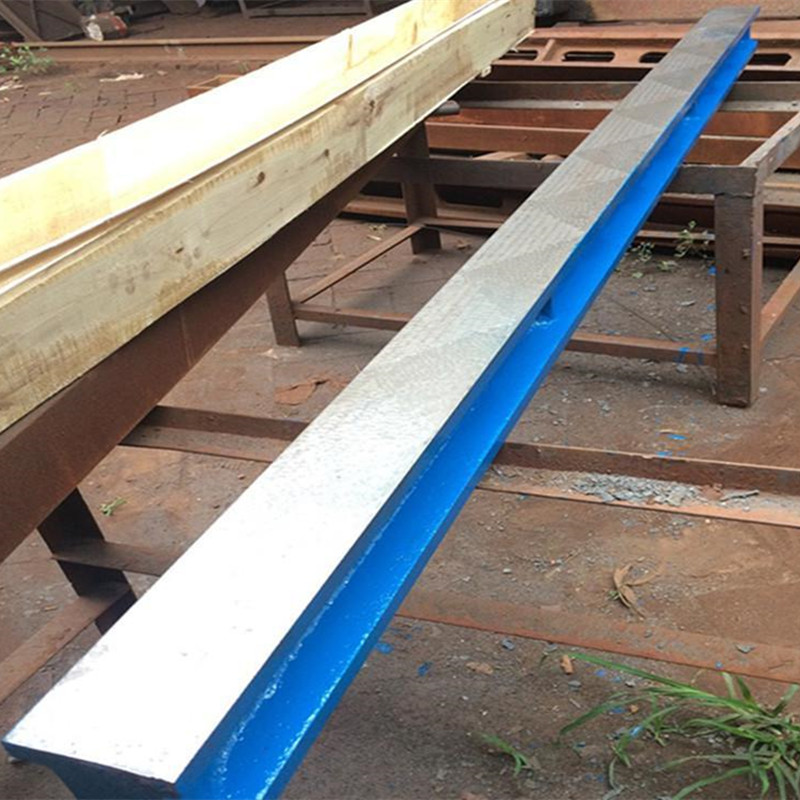
Welding Inspection Ruler for Accurate Joint Measurement and Quality Control
The Importance of Welding Inspection Rulers in Quality Control Welding is a critical process in nume
 English